The Dinner: Cultivation Is Revealed When Nobody Is Watching
Why Herman Koch’s novel still asks one of the most uncomfortable questions about character.
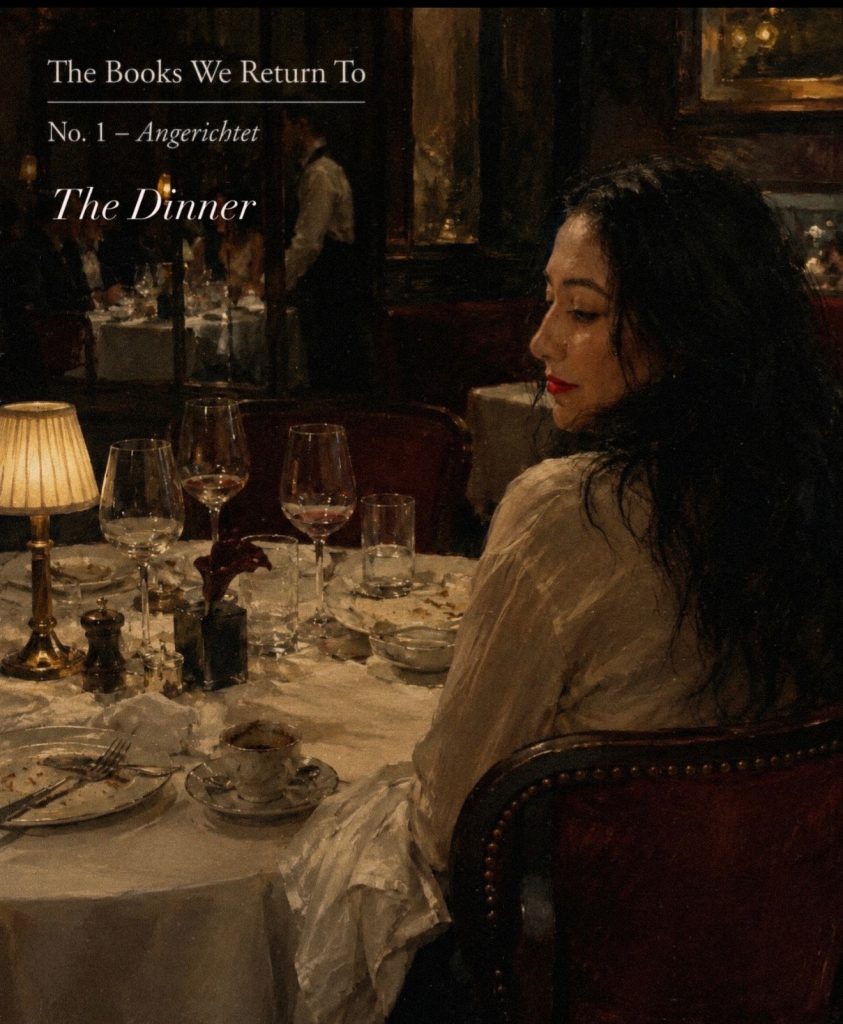
A beautifully laid table can be misleading.
Good food.
Good wine.
Intelligent conversation.
Perfect manners.
We often mistake these things for cultivation.
But they are not the same.
Herman Koch’s The Dinner begins with everything that appears civilised. Two couples meet in an elegant restaurant. The courses arrive. Conversation unfolds politely. Nothing seems unusual.
Slowly, almost imperceptibly, another story begins to surface.
The novel is not really about dinner.
It is about what remains of our values when protecting the people we love becomes more important than protecting what is right.
That is why the book continues to disturb long after it is finished.
Real cultivation is not demonstrated by knowing which wine to order or which fork to use.
It appears in quieter moments.
How we speak about people who are absent.
Whether we remain honest when honesty costs us something.
Whether our principles survive convenience.
Culture can be acquired.
Character has to be practised.
Perhaps that is why I return to books like The Dinner.
Not because they offer comforting answers.
But because they ask better questions.
A beautiful table is easy to prepare.
A cultivated life is not.